SAE 4140 Explained: Alloy Chemistry, Heat Treatment, and Machining Performance Guide
SAE 4140 Explained: Alloy Chemistry, Heat Treatment, and Machining Performance Guide
SAE 4140 is a chromium-molybdenum alloy steel widely specified for shafting, gears, drill collars, oil-field tooling, hydraulic components, machinery parts, and automotive components. For engineers and procurement teams evaluating this material, the practical questions are usually the same: What exact properties does SAE 4140 provide? Which condition—quenched and tempered, annealed, or normalized—suits a given manufacturing route? And how do you select a supplier that can deliver dimensional accuracy, consistent heat treatment, and traceable quality?
This guide focuses on SAE 4140 for machining, shafts, gears, molds, construction machinery, oil machinery, and auto parts. It explains the material's compositional basis, mechanical performance after heat treatment, dimensional forms, comparison with SAE 4130, and practical supplier-selection criteria.
What Is SAE 4140 Steel?
SAE 4140 is a low-alloy steel classified under the SAE/AISI system and covered by ASTM A29. Its nominal composition includes 0.38–0.43% carbon, 0.80–1.10% chromium, and 0.15–0.25% molybdenum. These alloying elements are what give the grade its identity and its engineering value: the carbon provides strength after heat treatment, the chromium improves hardenability and wear resistance, and the molybdenum contributes toughness and fatigue resistance.
In practice, SAE 4140 is chosen when a part must withstand high loads, impact, or cyclic stress without excessive weight or section size. It responds predictably to quenching and tempering, which makes it possible to tailor hardness and tensile strength to the application.
SAE 4140 Chemical Composition and What It Means for Machining
According to ASTM A29, SAE 4140 typically contains 0.38–0.43% carbon, 0.80–1.10% chromium, and 0.15–0.25% molybdenum. This combination yields high hardenability, meaning the steel can be hardened to a useful depth in larger cross-sections.
For machinists, the practical consequences are:
- Carbon (0.38–0.43%): Provides the base strength that responds to quench-and-temper treatment. In the annealed or normalized condition, the steel is more machinable than in the hardened condition.
- Chromium (0.80–1.10%): Improves hardenability and contributes to wear resistance in applications such as gears and shafts.
- Molybdenum (0.15–0.25%): Refines grain structure, raises toughness, and reduces temper embrittlement, which matters for components exposed to cyclic loading.
The machinability of SAE 4140 depends largely on the delivery condition. In the annealed condition it is generally easier to cut, while in the quenched-and-tempered condition the higher hardness requires rigid setups and appropriate cutting-tool grades. Buyers who plan to machine their own parts should specify the delivery condition that balances machinability and final property requirements.
Heat Treatment Conditions: Quenched and Tempered, Annealed, and Normalized
The performance of SAE 4140 is determined less by the raw grade name and more by the final heat treatment. Three conditions appear frequently in procurement specifications and supplier capability discussions.
Quenched and Tempered SAE 4140
Quenched and tempered SAE 4140 achieves a tensile strength of approximately 850–1000 MPa and a nominal hardness of 28–32 HRC. This condition is used when components need both strength and toughness. Typical parts include shafts, gears, pins, and tool joints that are subsequently machined or ground to their final dimensions.
Annealed SAE 4140
Annealing softens the steel and improves machinability, producing a structure that is more suitable for parts requiring extensive machining before final hardening. Buyers ordering cold-drawn or hot-rolled annealed SAE 4140 generally expect more consistent machinability and closer dimensional stability during the manufacturing cycle.
Normalized SAE 4140
Normalizing refines the grain structure and provides a more uniform microstructure than the as-rolled condition. Normalized SAE 4140 is frequently used as a pre-treatment before quenching and tempering, or as a final condition when the required strength level is moderate and good consistency is more important than maximum hardness.
| Condition | Typical Hardness | Typical Tensile Strength | Common Use |
|---|---|---|---|
| Quenched and tempered | 28–32 HRC | 850–1000 MPa | Shafts, gears, drill collars, oil-field components |
| Annealed | Lower hardness | Reduced strength, better machinability | Machining preforms, cold-forming |
| Normalized | Moderate hardness | Uniform structure, moderate strength | Pre-treatment for hardening; general structural parts |
SAE 4140 Product Forms: Round Bar, Steel Pipe, and Custom Dimensions
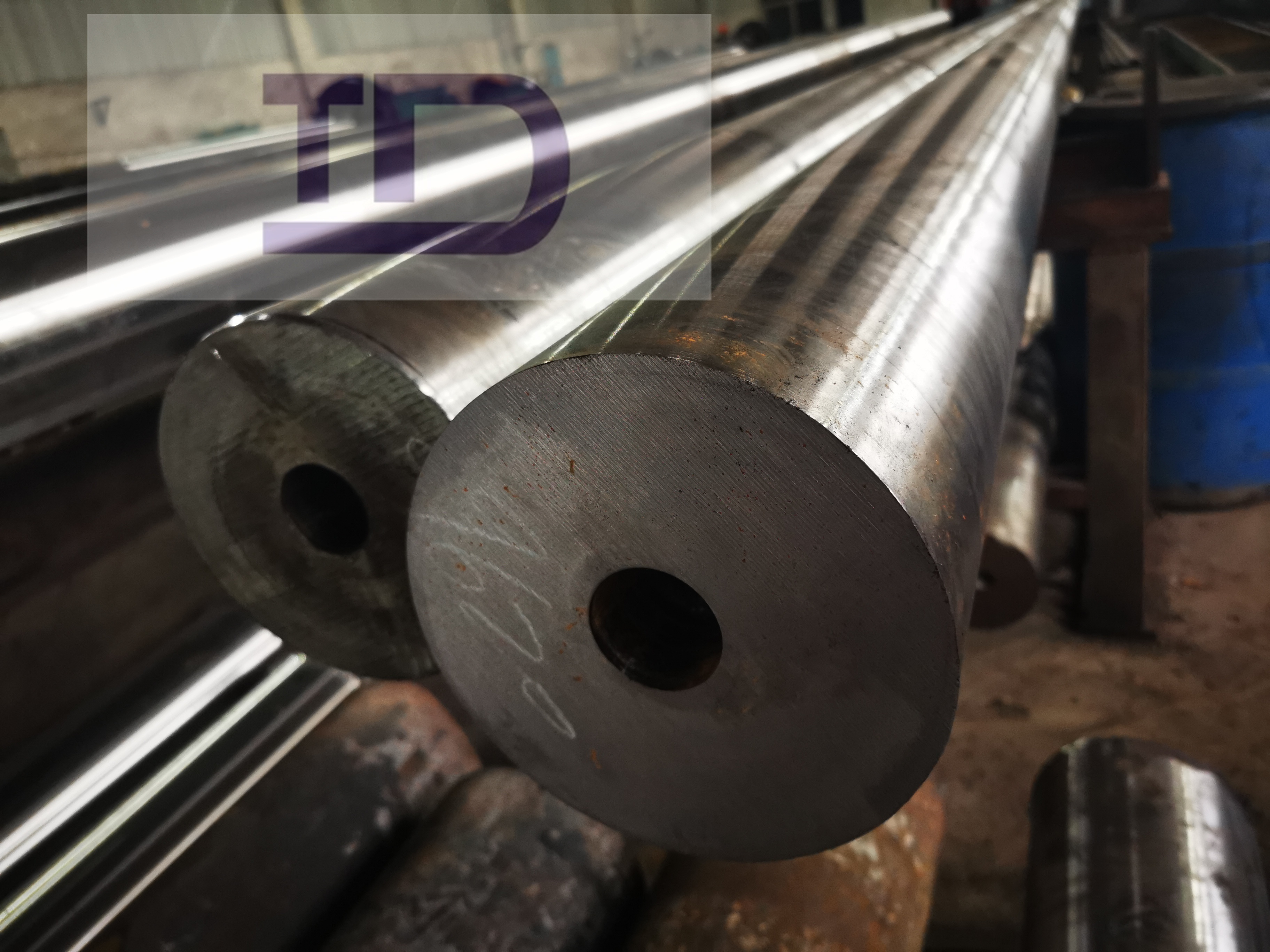
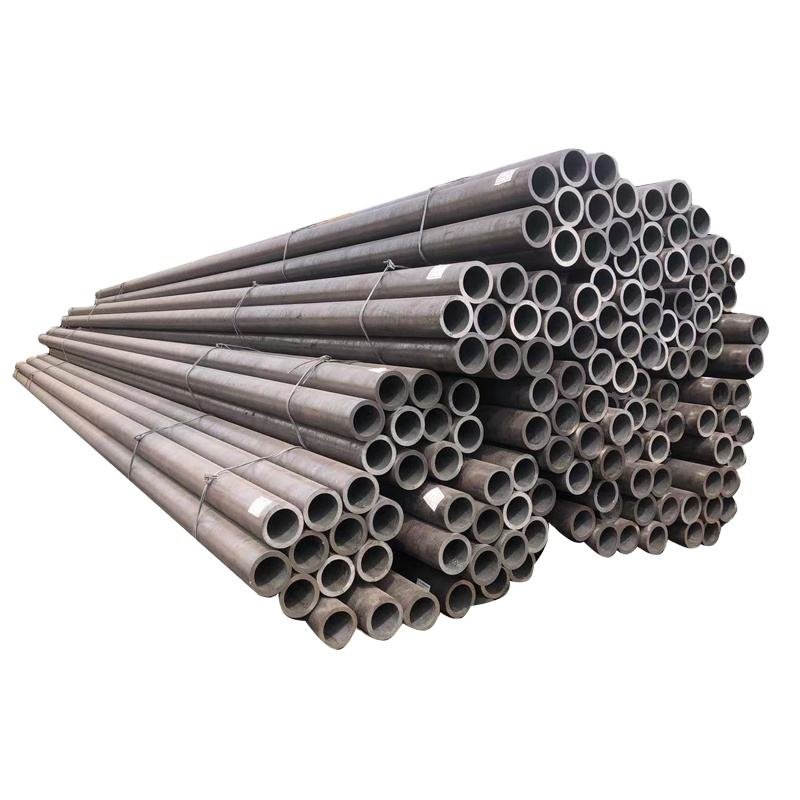
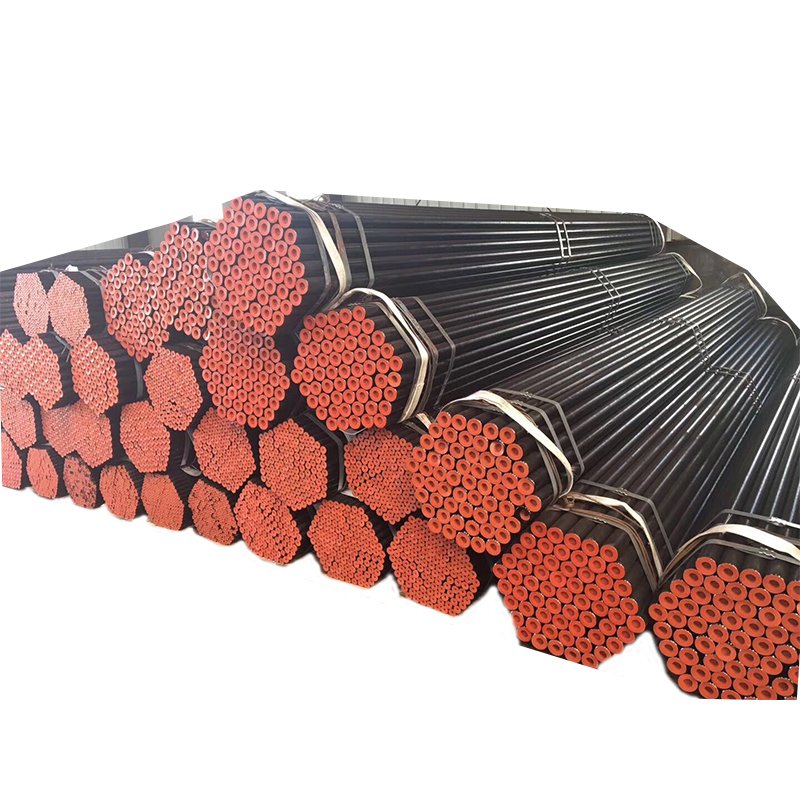
SAE 4140 is procured in several product forms depending on the downstream manufacturing process. The most common forms are solid round bar and seamless steel pipe/tube. Hollow sections are often specified for drill collars, oil-field equipment, hydraulic cylinders, and aerospace components where weight reduction or a through-bore is required.
For SAE 4140 tubes, suppliers typically offer an outer diameter range of 20–400 mm and a wall thickness range of 3–30 mm. Round and square sections are both available. For a broader seamless steel-pipe program covering other alloy and carbon grades, outer diameters can extend from 10 mm to 1080 mm with wall thicknesses from 2 mm to 110 mm. These wider ranges matter when a single supplier is expected to support multiple material grades and component sizes.
SAE 4140 vs SAE 4130: How Do They Compare?
SAE 4130 is often mentioned in the same procurement discussions as SAE 4140. Both are chromium-molybdenum steels in the SAE/AISI family and both are used in aerospace, oil-field, and structural applications. The practical difference lies in carbon content.
SAE 4130 has a lower nominal carbon content, which typically makes it tougher and more weldable, but slightly less hardenable than SAE 4140. SAE 4140 can be hardened to higher strength levels and is frequently preferred for shafts, gears, and high-strength fasteners. SAE 4130 is often chosen for welded structures, tubing, and applications emphasizing fracture toughness.
When a supplier carries both grades—and related grades such as 4145, 4340, 30CrMo, and 42CrMo—the buyer benefits from material selection support rather than being pushed toward a single inventory item.
Application-Specific Selection: Shaft, Gear, Mold, Machinery, and Oil-Field Parts
Because SAE 4140 responds predictably to heat treatment and offers a useful balance of strength, toughness, and wear resistance, it has become a default specification in several equipment categories.
SAE 4140 for Shafts
Shafts transmit torque and frequently operate under alternating bending stresses. Quenched and tempered SAE 4140 provides the fatigue resistance and strength needed for drive shafts, hydraulic piston rods, and transmission shafts.
SAE 4140 for Gears
Gears require surface wear resistance plus core toughness. SAE 4140 in the quenched and tempered condition—or after induction hardening—supports these requirements in medium-duty gear applications.
SAE 4140 for Molds
Plastic molds and die holders are often machined from pre-hardened SAE 4140 because the material offers good polishability, stability during machining, and resistance to mechanical damage in service.
SAE 4140 for Construction Machinery
Excavator pins, hydraulic cylinder barrels, and structural attachments on heavy machinery operate under high load and continuous cyclic loading. SAE 4140 supplied in heat-treated condition provides the strength and wear resistance required for these components.
SAE 4140 for Oil Machinery
Drill collars, tool joints, and down-hole equipment demand high strength plus reliability in demanding environments. SAE 4140 seamless pipe is a recognized starting material for this category, and the product is supplied specifically for drill collar and aerospace component manufacturing.
SAE 4140 for Auto Parts
The automotive industry is a major consumer of alloy steel. Components such as steering knuckles, axle shafts, connecting rods, and transmission parts are commonly manufactured from quenched and tempered SAE 4140.
Why Heat-Treatment Capability Is a Supplier Selection Criterion
For buyers using SAE 4140 in load-bearing components, the most important supplier capability is not just the ability to supply raw steel, but the ability to control the full processing chain. Heat treatment affects hardness, strength, toughness, and machinability. When a supplier operates in-house heat treatment, they can deliver the material closer to the required final condition, reducing the buyer's need to outsource additional processing.
Shandong Tuoda Machinery Equipment Manufacturing Co., Ltd. (Tuoda Machinery), located in Liaocheng, Shandong, China, integrates steel-pipe deep processing, steel heat treatment, custom hydraulic cylinder manufacturing, and the production of deep-hole drilling and boring machines. The company's core service chain includes steel tube deep processing, heat treatment, and precision machining. For SAE 4140 buyers, this is a practical advantage: the same facility can control material specification, processing, and final delivery condition.
What to Check Before Choosing a SAE 4140 Supplier
Selection of a SAE 4140 supplier should go beyond price and stock availability. The following criteria are particularly relevant for machining, shaft, gear, oil-field, and heavy-machinery applications:
- Dimensional range: Verify that the supplier can deliver the outer diameter, wall thickness, and length you need. For SAE 4140 tubes this should cover at least 20–400 mm OD and 3–30 mm wall thickness.
- Delivery condition: Confirm whether the material is offered hot-rolled, cold-drawn, cold-rolled, quenched and tempered, annealed, or normalized. The condition must match your machining route.
- Heat-treatment control: If your final component requires 28–32 HRC or 850–1000 MPa tensile strength, the supplier should be able to demonstrate consistent quench-and-temper capability.
- Quality documentation: Ask for factory laboratory reports or accept third-party inspection arranged by the buyer. Traceability to mill certificates is especially important for oil-field and aerospace parts.
- Lead time and MOQ: For machined components, delivery predictability often matters as much as price. Tuoda Machinery's standard lead time is 30–45 days, with a monthly capacity of 1000 tons for steel products and an MOQ of 5 tons or as discussed.
Certification and Compliance Context
Exporting SAE 4140 to the EU market can require CE certification and EN-standard compliance. Tuoda Machinery holds a CE 3.1 certificate issued by ECM under certificate number 3N230530.STMDO12, valid through 2028-05-28, covering EN 10210, EN 10219, and EN 10025 standards for the EU market. For international trade, hot-rolled alloy steel bars including SAE 4140 are commonly classified under HS Code 7228.30 when the diameter exceeds 228 mm.
Supplier Comparison: Tuoda Machinery and Global Alloy Steel Producers
The global specialty alloy steel bar segment includes large integrated steelmakers such as ArcelorMittal, Nippon Steel, and POSCO, as well as specialized suppliers. For buyers, the comparison is not simply about company size but about the ability to supply finished or semi-finished SAE 4140 components with controlled heat treatment and dimensional accuracy.
| Comparison Criterion | Tuoda Machinery | Typical Large Integrated Mill |
|---|---|---|
| Core strength | Steel pipe deep processing, heat treatment, custom hydraulic cylinders, deep-hole drilling machines | Large-scale raw steel production |
| SAE 4140 forms | Seamless pipe and tube, round and square, OD 20–400 mm, wall 3–30 mm | Broad mill product portfolio |
| Customization | Size, length, mechanical property, delivery time, testing and inspection | Limited to mill standard products |
| Lead time | 30–45 days | Varies by order size and rolling schedule |
| Quality evidence | Factory laboratory report; third-party inspection | Standard mill certificates |
Case Reference: SAE 4140 in Oil Drilling Equipment Manufacturing
In one application, a petroleum equipment factory in Chile and India used SAE 4140 for the production of oil drilling equipment. The project involved approximately 50 sets of components. Operating experience over a ten-year period has shown stable operation, with the material's low loss, high performance, and high applicability highlighted as the main benefits.
This type of field evidence is relevant to buyers because oil drilling equipment operates under high load, high pressure, and continuous cyclic loading. Material consistency and predictable heat treatment are the factors that allow plant operators to rely on the same specification over many years.
Market Context: Alloy Steel Demand in 2026
Alloy steel remains a strategic material category for industrial equipment manufacturing. The global alloy steel market is projected to reach approximately USD 160.7 billion in 2026, with the automotive and construction sectors driving demand. Asia-Pacific accounts for more than 40% of global alloy steel consumption, supported by infrastructure and automotive production in China. The automotive industry alone represents about 37% of global alloy steel utilization.
These market figures help explain why SAE 4140 continues to be specified across construction machinery, oil-field equipment, and auto parts. They also indicate that supply-chain reliability—not just material availability—will remain a competitive factor for component manufacturers.
Step-by-Step Procurement Workflow for SAE 4140 Components
The following sequence can help engineering and purchasing teams avoid specification errors and delivery delays:
- Define the final component and loading: Determine whether the part is a shaft, gear, mold, hydraulic cylinder barrel, or structural component, and identify the operating loads.
- Select the delivery condition: Choose annealed for extensive machining, quenched and tempered for direct strength, or normalized as an intermediate route.
- Confirm dimensions and tolerances: Specify OD, wall thickness, length, and any required machining allowances.
- Verify heat-treatment capability: Confirm the supplier can achieve the required hardness and tensile strength with process control.
- Define quality documentation: Decide between factory laboratory reports and third-party inspection.
- Confirm lead time and logistics: Align the 30–45 day production window with your project schedule.
Frequently Asked Questions
Does SAE 4140 meet ASTM standard requirements?
Yes. SAE 4140 is commonly supplied under the ASTM A29 specification, which defines the hot-wrought or cold-finished bars requiring heat treatment. The typical chemical composition is 0.38–0.43% carbon, 0.80–1.10% chromium, and 0.15–0.25% molybdenum. Buyers requiring EU compliance can also request CE-certified material conforming to EN 10210, EN 10219, and EN 10025.
What are the mechanical properties of quenched and tempered SAE 4140?
Quenched and tempered SAE 4140 typically achieves a tensile strength of 850–1000 MPa and a nominal hardness of 28–32 HRC. These properties make it suitable for shafts, gears, drill collars, and other components that must resist high stress and wear.
What sizes of SAE 4140 pipe and bar are available?
SAE 4140 tube is commonly available in outer diameters of 20–400 mm and wall thicknesses of 3–30 mm. Both round and square sections can be supplied. A broader seamless steel-pipe program can cover OD 10–1080 mm and wall thickness 2–110 mm across multiple carbon and alloy steel grades.
Can SAE 4140 be customized for specific mechanical properties?
Yes. Customization options include size, length, mechanical property requirements, delivery time, and testing or inspection arrangements. Tuoda Machinery operates in-house steel heat treatment and deep-processing services, enabling the delivery condition to be tailored to the application rather than treated as a fixed inventory item.
Can I request a sample or quotation for SAE 4140 before placing a production order?
Sample requests and quotations are both practical first steps. Tuoda Machinery's internal monthly steel-product capacity is 1000 tons, with a standard lead time of 30–45 days and an MOQ of 5 tons or as discussed. To discuss your required OD, wall thickness, length, heat-treatment condition, and inspection documents, contact Olivia at olivia@sdtuoda.com or via WhatsApp at +86 13290268388.
Download the company brochure for a detailed overview of SAE 4140 product forms, heat-treatment services, and manufacturing capabilities.
Download BrochureHave Questions or Need More Details?
Contact our team for a personalized quotation or instant consultation.
Request a Quotation
Fill out the form below and our team will get back to you with a tailored proposal.
WhatsApp Direct Chat
Prefer to chat in real-time? Message us on WhatsApp for instant assistance & quick answers.
- Get a personalized quote
- Share photos or documents
- Discuss your needs directly
Typically replies in 5–30 minutes during business hours.