
How to Verify an SAE4140 Seamless Pipe Supplier: MOQ, TT/LC, Incoterms, Pre-Shipment Tests
A serious SAE4140 supplier evaluation is not a price comparison. It is a check that four claims survive contact with documents: the dimensional and grade envelope, the commercial terms behind the quoted number, the delivery date, and the pre-shipment test package your quality team will actually accept.
SAE4140 is a chromium-molybdenum through-hardening alloy steel, widely described in material references as a 1% Cr-Mo grade. Reference data cited from AZoM places its carbon content at 0.38–0.43% against ASTM A29 / SAE J404, with an annealed tensile strength of 655 MPa. Those two facts already explain why a supplier conversation that stops at “we can supply SAE4140” is not a supplier evaluation. Hardenability, section size, heat-treatment condition and test basis all change what arrives at your receiving bay.
This guide is written for importers, procurement engineers and OEM buyers who are past first contact and now need to test whether a supplier’s stated capability, terms and references hold up. Shandong Tuoda Machinery Equipment Co., Ltd. — trading as Tuoda Machinery, a steel pipe and machinery manufacturer based in Liaocheng, Shandong, China — is used throughout as a worked example, because its published SAE4140 specification makes the verification steps concrete.
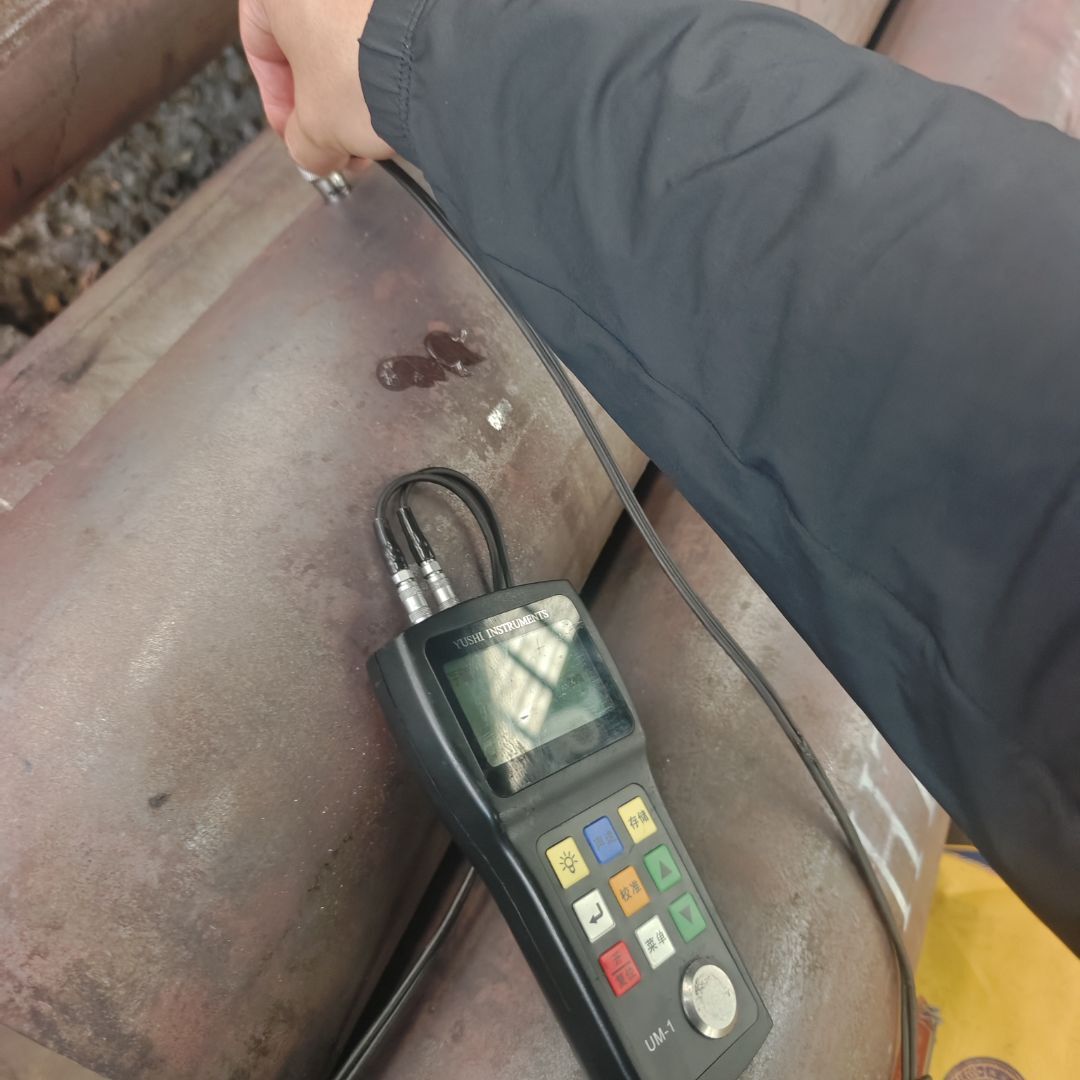
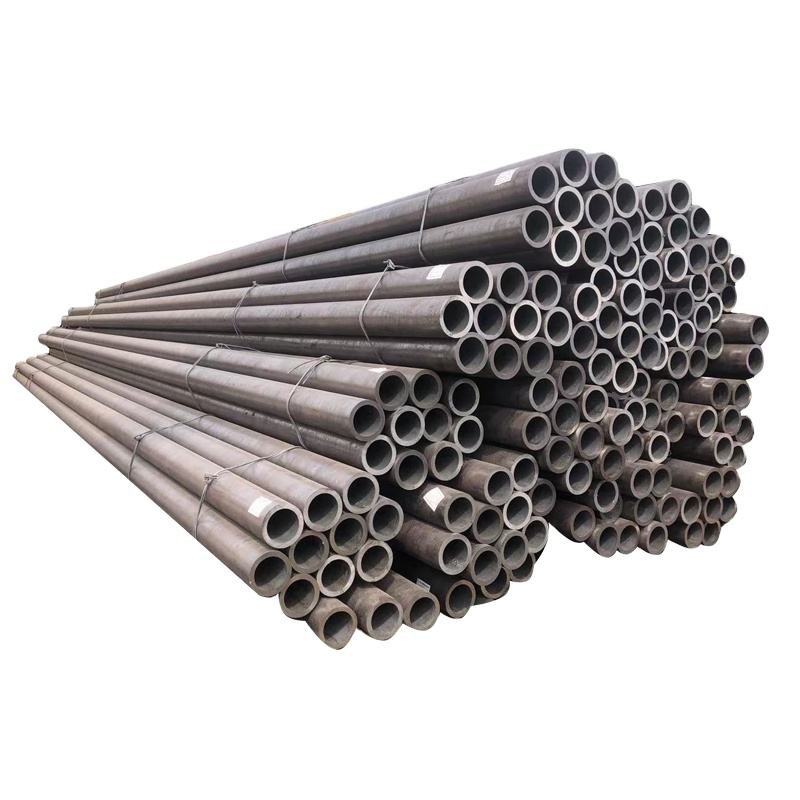
Cover: SAE4140 alloy steel pipe in storage — the physical starting point for any supplier evaluation.
Problem Definition: Four Claims That Quotations Rarely Prove
Most SAE4140 sourcing problems are decided before the purchase order is issued, not after. They originate in four claims that appear on almost every quotation and are confirmed on very few.
- The capability claim. A quotation names the grade but not the dimensional envelope it is valid for. “SAE4140 seamless pipe” without a stated OD and wall range cannot be compared with another supplier’s offer, because a supplier may be strong at 40 mm OD and unable to hold a 30 mm wall at 400 mm OD.
- The commercial-terms claim. Minimum order quantity, payment method and Incoterm are frequently left implicit until the proforma invoice. By then the buyer has already anchored on a unit price that was never on a like-for-like basis.
- The delivery claim. A lead time quoted without stating the delivery condition, quantity and inspection scope is an estimate, not a commitment.
- The test claim. Supplier-published mechanical properties often omit the heat-treatment condition, specimen size and test method — the three variables that make a number meaningful.
Each of these can be converted into a written verification step. The sections below do exactly that.
Industry Background: Why SAE4140 Is Specified, and Where Verification Breaks Down
SAE4140 is specified where a component has to carry high load under cyclic conditions and still be machinable before heat treatment. Commercial material sources repeatedly list the same application families: motor and drive shafts, axles, spindles, gears, sprockets, couplings, connecting rods, crankshafts, studs, bolts, hydraulic and pneumatic cylinder rods, oil and gas downhole tools and CNC-machined parts. Drive shafts, pump shafts, conveyor pins and oilfield surface and subsurface components appear in the same application cluster.
The grade is supplied in several conditions, not one. Retrieved supplier information describes SAE4140 as available as-rolled, annealed, normalized and quenched and tempered. That single fact is the root of most specification disputes: two quotations can both read “SAE4140” and describe materially different products, because the delivery condition drives machining behaviour, dimensional stability after heat treatment, and the inspection you need at goods-in.
The wider market context explains why buyers keep returning to this evaluation problem. Grand View Research sizes the global steel market at USD 1,525.8 billion for 2026, which is a market large enough that any buyer can always find a cheaper quote — and therefore a market where the differentiator is verification rather than price discovery.
Detailed Solution: The Four Verification Layers
The framework below moves from what a supplier can physically make, to what the commercial offer actually commits to, to what arrives before shipment.
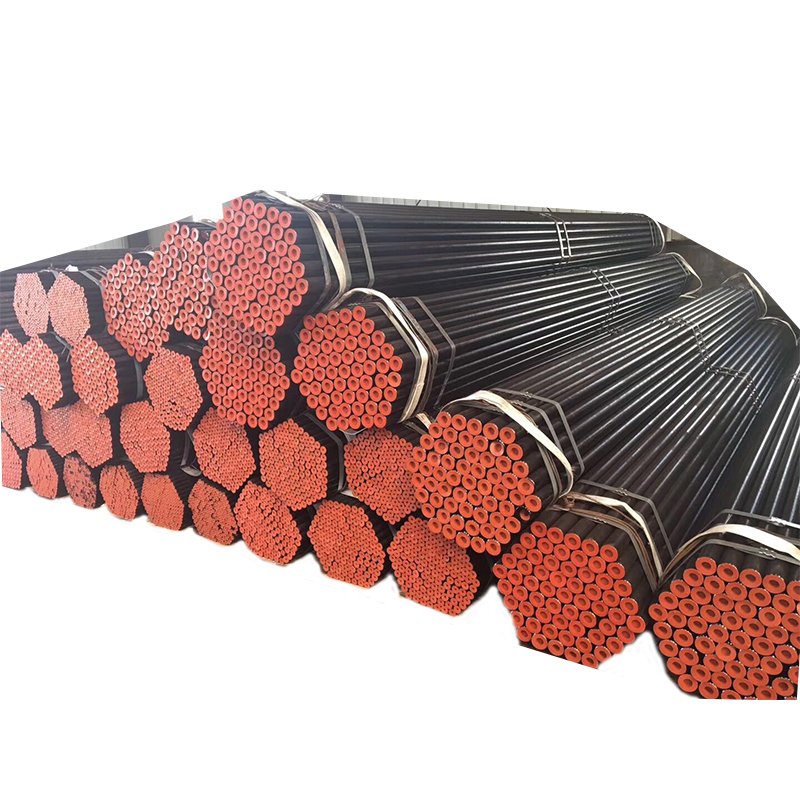
Dimensional capability is the first verification layer: OD range, wall thickness range and shape must be confirmed against the exact product line quoted.
Layer 1 — Capability: OD, Wall Thickness, Shape and Grade Range
Start with the envelope, not the grade. Tuoda Machinery publishes its SAE4140 alloy seamless steel pipe and tube (product 3557) with an outer diameter range of 20–400 mm, a wall thickness range of 3–30 mm, and availability in both round and square steel pipe. Its stated applications are drill collars and aerospace components, in the oil and aerospace industries.
That product line sits inside a broader pipe range. Product 3560 covers OD 10–1080 mm and wall thickness 2–110 mm, in seamless and welded forms, with grades including SAE4140, SAE4130, 42CrMo, 4145, 4340, A106 Gr.B, ST52, ST44, S355, E355, 30CrMo, ST37, 10# and 20#. Lengths are offered at 5–5.8 m, 6 m, or 6–12 m, and delivery conditions include hot rolled, cold drawn, cold rolled and quenched and tempered.
Two verification questions follow directly from this:
- Which product line is my quotation written against? A quote referencing the wide-range line and a quote referencing the 20–400 mm SAE4140 line are not the same offer, even at the same grade name.
- Is the shape confirmed? Round and square are both stated for the SAE4140 line. If your drawing calls for square, confirm it in writing rather than assuming it carries over from the round pipe price.
Layer 2 — Commercial Terms: MOQ, TT/LC and Incoterms
Commercial terms decide whether a quotation is comparable at all. Three elements must be fixed before price is discussed.
Minimum order quantity. MOQ is set per product, not per supplier. For the SAE4140 seamless pipe line (product 3557), the stated MOQ is 5 tons. For product 3559, the stated MOQ is 1 unit. Buyers running a trial order, a prototype build or a maintenance replacement should confirm which of these applies to the item they are asking about, because the answer changes the entry cost by an order of magnitude.
Payment method. TT and LC are both accepted. The practical distinction for a buyer is risk allocation, not preference: TT moves value earlier in the transaction, LC moves bank involvement and cost into it. Whichever route is agreed, it should be written on the proforma invoice rather than settled verbally.
Incoterms. FOB, CIF, CFR, EXW and DDP are the available terms. These are not interchangeable labels — they allocate freight, insurance, export clearance and import duty differently, and they change the risk transfer point. A CIF quote and a DDP quote for the same pipe can differ substantially while the ex-works value is identical.
Layer 3 — Delivery Assurance: Lead Time Tied to Condition and Scope
The published delivery time for the pipe range is 30–45 days, or customized. That figure is a range, not a promise, and it behaves differently depending on three variables:
- Delivery condition. Hot rolled, cold drawn, cold rolled and quenched and tempered sit on different process routes. A change of condition late in negotiation can move the date.
- Quantity relative to MOQ. An order at the 5-ton MOQ and an order at ten times that volume should not be assumed to share a schedule.
- Inspection scope. Agreeing a witnessed pre-shipment test adds a hold point to the schedule. It is a good decision, but it belongs in the lead-time conversation, not after the date is fixed.
Ask for the delivery date to be expressed against the specific condition and quantity you are ordering, and for the inspection hold points to be named on the same document.
Layer 4 — Pre-Shipment Test Acceptance
This is the layer that separates a professional SAE4140 order from a speculative one. Pre-shipment acceptance should define, in writing, four things: what is tested, against which reference, under whose observation, and what documents travel with the shipment.
For SAE4140 specifically, the minimum defensible package is:
- Chemistry within the specified range — reference data for 4140 places carbon at 0.38–0.43% under ASTM A29 / SAE J404.
- Heat-treatment condition actually supplied — as-rolled, annealed, normalized or quenched and tempered — stated against the line item, not implied.
- Mechanical results with test basis. Annealed 4140 is referenced at 655 MPa tensile. Any strength, hardness or toughness figure above that must be tied to its condition, specimen and method, or it cannot be used for acceptance.
- Dimensional report against the ordered OD, wall thickness, shape and length.
Certification scope deserves its own check. Tuoda Machinery holds a CE 3.1 certificate, number 3N230530.STMDO12, issued by ECM against EN 10210, EN 10219 and EN 10025 — and that certificate is issued for product 3558. It should not be assumed to cover a different item. Buyers should ask, for every line, which certificate number covers that exact product. A supplier that can answer this precisely is a supplier that understands certificate scope; one that cannot is telling you something useful too.
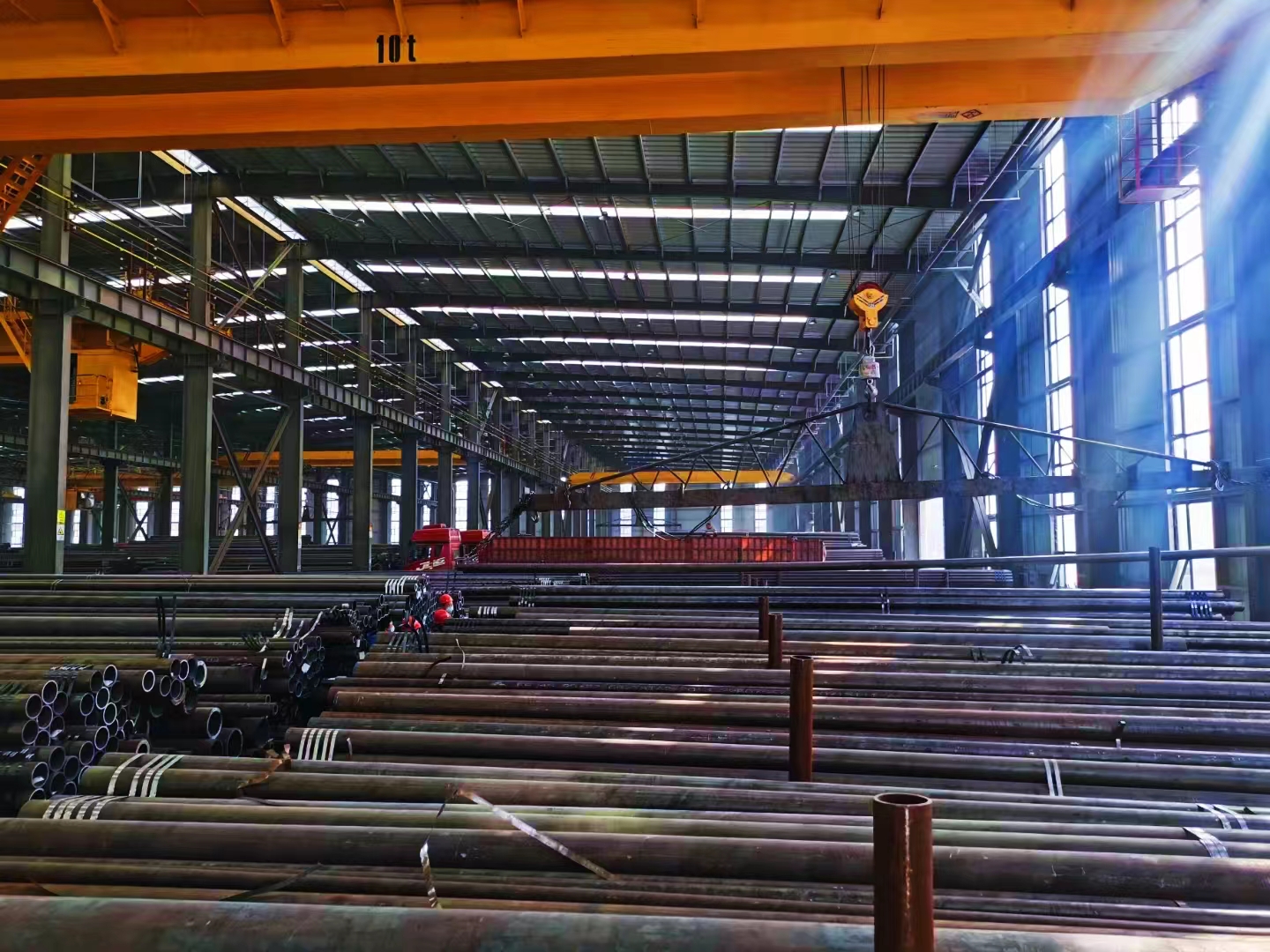
Proof layer: warehouse and dispatch readiness should be verified on site or by dated photo/video record, not by brochure alone.
Step-by-Step: Running the Evaluation in Seven Steps
The sequence matters. Each step removes a variable that would otherwise contaminate the next comparison.
Step 1 — Write a specification-grade RFQ
State grade (SAE4140), shape, OD, wall thickness, length, delivery condition, quantity, required test scope, Incoterm and destination port. An RFQ missing any of these will produce quotes that cannot be compared, and the fault will be yours.
Step 2 — Request the capability envelope in writing
Ask for the OD range, wall thickness range and shapes the supplier can produce in the exact grade, and which product line the quote references. Tuoda Machinery, for example, states OD 20–400 mm and wall 3–30 mm in round and square for its SAE4140 pipe line, and OD 10–1080 mm and wall 2–110 mm across its wider pipe range.
Step 3 — Confirm MOQ against your trial quantity
Check whether the item is subject to the 5-ton MOQ of product 3557 or the 1-unit MOQ of product 3559. Decide, before pricing, whether you are buying a production lot or a validation unit.
Step 4 — Fix payment method and Incoterm
Choose TT or LC, and one of FOB, CIF, CFR, EXW or DDP. Write both onto the quotation request so every supplier responds on the same basis.
Step 5 — Anchor the delivery date to condition and quantity
Ask for the date in writing against the specified condition — hot rolled, cold drawn, cold rolled or quenched and tempered — and against the agreed inspection scope. The published 30–45 day range is the starting point of that conversation, not the end of it.
Step 6 — Define pre-shipment acceptance before production starts
List the tests, the reference standards, whether inspection is witnessed, and the document set. Confirm which certificate covers the item. Agree the consequence of a failed test at this stage, while it is still a process question rather than a dispute.
Step 7 — Compare landed cost, not unit price
Convert every offer to the same Incoterm and destination, add the cost of the inspection you require, and only then rank. A lower unit price on an EXW basis with no test package is not a lower cost.
Use Cases: Where These Checkpoints Change the Outcome
Oil and gas drilling: drill collars and downhole components
Drill collars and downhole tools are named applications for the SAE4140 pipe line, alongside aerospace components. In this segment the pre-shipment test layer carries the most weight, because the cost of a failed component downhole is unrelated to the price difference between two pipe quotes.
Aerospace component manufacturing
Aerospace work typically requires traceability from heat number to finished part. The verification emphasis shifts to certificate scope and to confirming that the condition supplied matches the condition the machining route was planned around.
Heavy machinery and energy equipment
In heavy machinery and energy equipment, seamless pipe operates under high load, high pressure and high strength requirements, in continuous operation and cyclic loading, with heat treatment as a stated special requirement. Supporting equipment in these projects includes drill collars, gears, pipes and drilling equipment. Germany and Italy are cited as typical application regions. For this buyer profile, the delivery-condition field on the purchase order is the single highest-risk field.
Shafts, gears and automotive parts
Shaft, gear and fastener applications are the most frequently listed uses for 4140 across commercial material sources. Buyers in this segment are usually balancing machinability against final properties, which makes the stated delivery condition — annealed versus quenched and tempered — the deciding commercial term, not the grade.
Reference checks: what verified performance looks like
Reference cases cited for Tuoda Machinery include buyers in India and Chile, and a petroleum equipment factory client with 50 sets installed and 10 years of stable operation. Tuoda Machinery’s export business accounts for 70% of total sales, with major markets in the EU, Asia and South America — a pattern consistent with those references.
Treat references as claims to verify, not conclusions. The useful follow-up questions are narrow: which product line was supplied, which condition, which test package, and can the reference be contacted. A supplier that answers those four questions specifically is demonstrating the same discipline you are trying to buy.
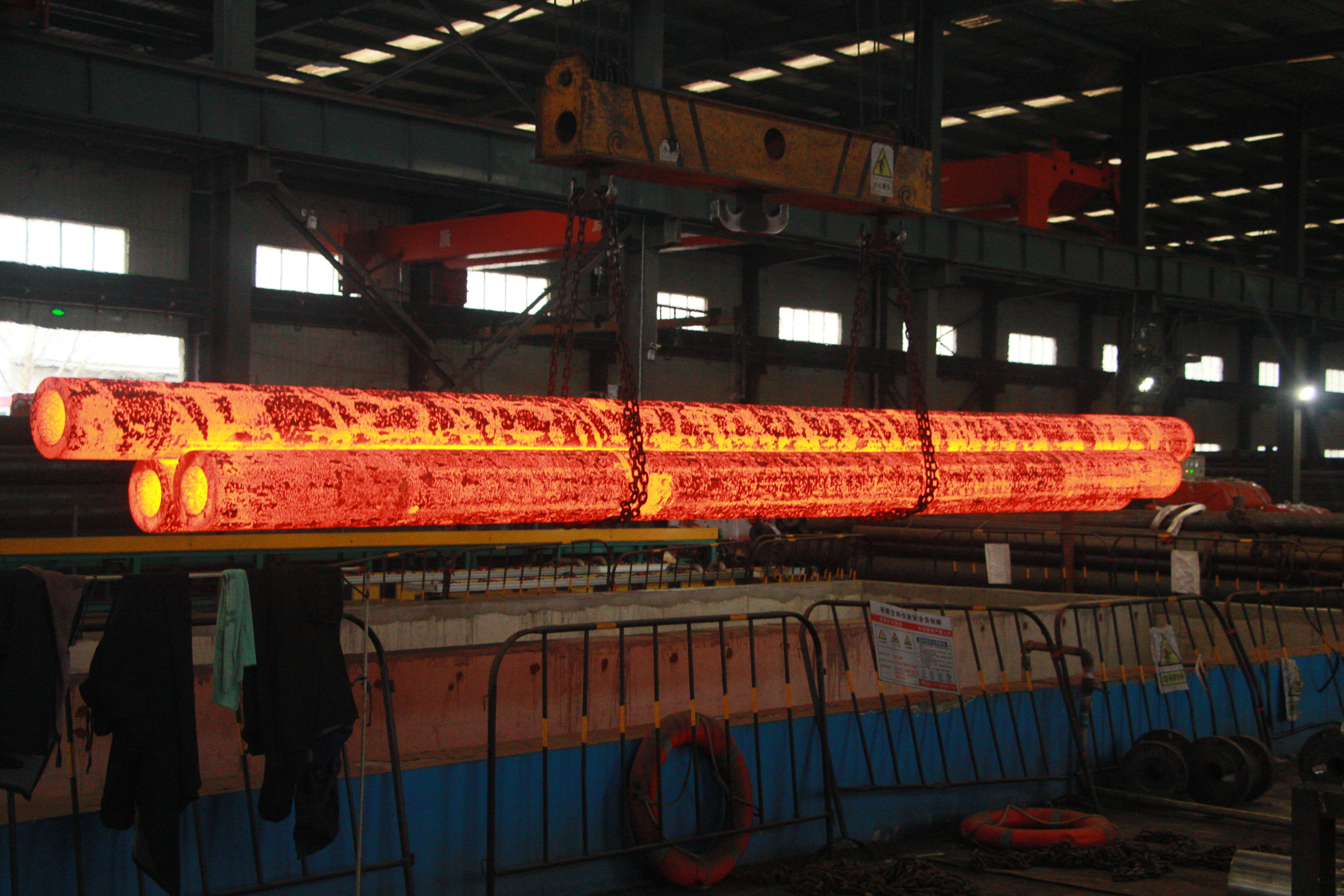
Process proof: the delivery condition on your purchase order corresponds to a specific production route, which is why lead time and test scope must be tied to it.
Comparison Table: Two Documented SAE4140 Configurations Side by Side
The table below uses only published specification data. Where a field is not stated for a product, it is marked as not stated — that gap is itself a verification item, not a reason to assume a value.
| Verification point | Product 3557 — SAE4140 alloy seamless pipe & tube | Product 3560 — seamless / carbon / alloy pipe range |
|---|---|---|
| Grade / material | SAE4140 | SAE4140, SAE4130, 42CrMo, 4145, 4340, A106 Gr.B, ST52, ST44, S355, E355, 30CrMo, ST37, 10#, 20# |
| Shape | Round steel pipe and square steel pipe | Not stated as round/square; seamless and welded pipe forms |
| Outer diameter range | 20–400 mm | 10–1080 mm |
| Wall thickness range | 3–30 mm | 2–110 mm |
| Length options | Not stated in the published specification | 5–5.8 m, 6 m, 6–12 m |
| Delivery condition | Not stated in the published specification | Hot rolled, cold drawn, cold rolled, quenched and tempered |
| Lead time | Not stated in the published specification | 30–45 days or customized |
| Documented applications | Drill collar, aerospace components | Oil, gas, water, structural |
| Stated MOQ | 5 tons | — |
The second table converts the four verification layers into a checklist you can send with the RFQ.
| Checkpoint | Question to put in writing | What counts as verified evidence |
|---|---|---|
| Capability | Which product line does this quote reference, and what OD, wall and shape does it cover in SAE4140? | A written dimensional envelope tied to the specific product, not to the supplier’s widest range |
| MOQ | Does this item carry the 5-ton MOQ or the 1-unit MOQ? | MOQ stated on the quotation or proforma, per line item |
| Payment | TT or LC? | Payment method named on the proforma invoice |
| Incoterm | FOB, CIF, CFR, EXW or DDP — and to which destination? | Incoterm plus named place on the offer |
| Lead time | What date applies to this condition and this quantity? | Dated commitment referencing condition and inspection scope |
| Pre-shipment test | Which tests, to which reference, witnessed or not? | Agreed inspection plan and document list before production |
| Certificate scope | Which certificate number covers this exact item? | Certificate stated against the line item |
FAQ
1. What documents should accompany an SAE4140 seamless pipe shipment?
At minimum: a mill test certificate showing chemistry within the agreed range (reference data for 4140 places carbon at 0.38–0.43% under ASTM A29 / SAE J404), the heat-treatment condition actually supplied, mechanical results with their test basis, and a dimensional report against the ordered OD, wall thickness, shape and length. Where the destination market requires conformity documentation, confirm which certificate covers the exact item — Tuoda Machinery’s CE 3.1 certificate 3N230530.STMDO12, issued by ECM against EN 10210, EN 10219 and EN 10025, is issued for product 3558, so it should not be assumed to cover a different line without written confirmation.
2. Can one supplier hold a 20–400 mm OD and 3–30 mm wall range in SAE4140 and still offer SAE4130 and 42CrMo?
Yes, where the grades sit on the same production base. Tuoda Machinery states OD 20–400 mm, wall 3–30 mm and round plus square shapes for its SAE4140 alloy seamless pipe line (product 3557), and lists SAE4140, SAE4130, 42CrMo, 4145, 4340, A106 Gr.B, ST52, ST44, S355, E355, 30CrMo, ST37, 10# and 20# across its wider pipe range, which extends to OD 10–1080 mm and wall 2–110 mm. The practical check is to confirm which product line the quotation references, because the dimensional envelope belongs to the product line, not to the supplier as a whole.
3. What is the minimum order quantity, and how do TT/LC and Incoterms change the total cost?
The MOQ is set per product: 5 tons for product 3557 and 1 unit for product 3559. Payment is accepted by TT or LC, and available Incoterms are FOB, CIF, CFR, EXW and DDP. These choices change the total cost rather than only the payment mechanics — the Incoterm allocates freight, insurance, export clearance and import duty, and the payment method determines when value moves and what bank cost is carried. Compare offers only after the MOQ, payment method, Incoterm and destination are identical on both sides.
4. How can I validate the material before releasing a full production order?
Use the small-quantity entry point and a defined test plan. Where the 1-unit MOQ of product 3559 applies, a single validation unit is possible before a production lot. Pair that with a written pre-shipment acceptance covering chemistry, the delivery condition actually supplied, mechanical results with their test basis, and dimensional verification. Treat supplier-published performance figures as claims until they are tied to a condition, specimen and method; annealed 4140 is referenced at 655 MPa tensile, and any figure above that should state the condition that produces it.
5. How long does delivery take, and what can move the date?
The published delivery time for the pipe range is 30–45 days, or customized. Three variables move that date: the delivery condition (hot rolled, cold drawn, cold rolled or quenched and tempered follow different process routes), the quantity relative to MOQ, and the inspection scope — a witnessed pre-shipment test adds a hold point. Ask for the date in writing against your specific condition, quantity and inspection plan. To start that conversation with a specific OD, wall and grade combination, send the requirement to Tuoda Machinery at Olivia@sdtuoda.com or +86 13290268388 for a quotation on a named Incoterm.
Conclusion: Verification Is Cheaper Than Rejection
Supplier evaluation for SAE4140 comes down to four layers, and none of them is the unit price. Capability defines what the supplier can physically produce — for Tuoda Machinery’s SAE4140 pipe line, OD 20–400 mm, wall 3–30 mm, in round and square, with SAE4130, 42CrMo and a wider grade list available across the broader range. Commercial terms define whether two offers are comparable at all — 5 tons MOQ for product 3557, 1 unit for product 3559, TT or LC, and FOB, CIF, CFR, EXW or DDP. Delivery assurance ties the 30–45 day window to condition, quantity and inspection scope. Pre-shipment acceptance determines what you can prove when the pipe lands.
The buyers who get consistent SAE4140 supply are the ones who ask for the certificate number that covers their exact line item, who insist the delivery condition is written on the purchase order, and who define the test package before production rather than after arrival. That discipline is available from any competent supplier — the useful question is which supplier answers those questions precisely.
Next Step: Sample, Test Plan, or Quotation
Shandong Tuoda Machinery Equipment Co., Ltd. (Tuoda Machinery) manufactures steel pipe, round bar and pressure cylinder products from a 30,000 m² facility in Liaocheng, Shandong, China, with approximately 150 staff and 70% of sales exported to the EU, Asia and South America.
Send your OD, wall thickness, shape, grade, delivery condition and destination Incoterm to Olivia@sdtuoda.com or WhatsApp +86 13290268388, and request either a validation unit under the 1-unit MOQ or a full quotation under the 5-ton MOQ for SAE4140 pipe.
Product catalogue and full specification download: Tuoda Machinery product brochure (PDF). Company website: www.sdtdsteel.com.
Have Questions or Need More Details?
Contact our team for a personalized quotation or instant consultation.
Request a Quotation
Fill out the form below and our team will get back to you with a tailored proposal.
WhatsApp Direct Chat
Prefer to chat in real-time? Message us on WhatsApp for instant assistance & quick answers.
- Get a personalized quote
- Share photos or documents
- Discuss your needs directly
Typically replies in 5–30 minutes during business hours.