How to Specify Custom Heavy Duty Hydraulic Cylinders: Bore, Wall Thickness, Material, and Tolerance
Short answer: a custom heavy duty hydraulic cylinder is specified in a fixed order. Duty and pressure class come first, then bore and outer diameter, then wall thickness, then length and stroke, then material grade, then tolerance. Sealing concept, test acceptance, and commercial terms follow. The first six decisions determine whether the cylinder survives its application. The last three determine whether it passes acceptance on time.
This article is written for industrial buyers, OEM engineers, and maintenance planners who need a non-standard cylinder rather than a catalogue item. It follows the specification sequence used by Shandong Tuoda Machinery Equipment Co., Ltd, a Liaocheng, Shandong-based manufacturer of custom hydraulic cylinders, seamless steel tube, round bars, and deep-hole machining equipment, supplying engineering machinery, automobile, and general manufacturing industries and exporting to India, Turkey, Vietnam, Indonesia, Canada, Germany, the United Kingdom, and Sweden.
Problem Definition: Most Custom Cylinder Failures Are Specified, Not Manufactured
A heavy duty cylinder that leaks at the gland, drifts under load, or loses bore geometry after a few thousand cycles is rarely the result of a machining error. It is usually a specification gap. The bore was sized for the wrong pressure class, the wall section was inherited from a lighter tube, the roughness value was assumed rather than agreed, or the material grade was chosen on price instead of load. None of those gaps show up in the workshop. They appear in the field, where they cost downtime instead of a drawing revision.
Heavy duty cylinder programmes therefore lock six attributes before production begins: internal bore dimensional stability across the batch, straightness, internal bore roughness, concentricity, and a stable lead time. These are not finishing details. They decide sealing life, force consistency between units, and whether the fifth cylinder behaves exactly like the first one.
The specification rule of thumb: every parameter that a supplier cannot measure after the fact should be written into the drawing. Bore roughness, straightness, and concentricity cannot be corrected at the loading dock.
Industry Background: A Large Market Governed by Standards
The global hydraulic cylinder market was valued at USD 15.7 billion in 2024 and is projected to reach USD 24.7 billion by 2034 (Global Market Insights). Double-acting hydraulic cylinders dominated the industry with a 70 percent market share in 2024, favoured for precision-driven heavy-duty construction and robotics work that requires controlled force in both directions.
Demand concentrates where duty is hardest. Mobile hydraulics, including construction and mining equipment, accounted for over 58 percent of the total hydraulics market share in 2024 (Grand View Research). Large bore hydraulic cylinders with bore size above 150 mm held approximately 27.4 percent of market revenue in 2025, driven by large mining excavators and tunnel boring machines (Dataintelo). In other words, the cylinders that carry the highest specification risk are also the ones carrying the largest share of value.
Standards keep that installed base serviceable. Heavy-duty hydraulic cylinders for industrial applications are governed by ISO 6022 (250 bar series) and ISO 6020 (160 bar series) for mounting dimensions and interchangeability. A custom cylinder specified outside those series may perform perfectly in isolation and still create a replacement problem for the next decade of maintenance planning. This is why an experienced buyer specifies the mounting interface before specifying the bore.
Detailed Solution: What a Custom Heavy Duty Cylinder Programme Covers
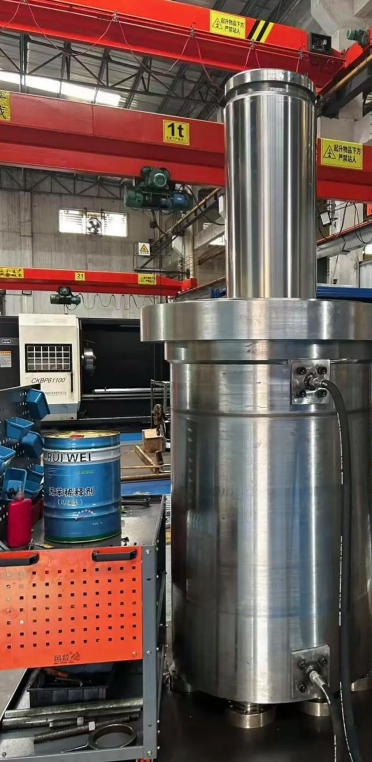
Custom cylinder work is not limited to changing a dimension on a standard drawing. The scope normally spans application analysis, drawing verification, material selection, manufacturing and honing, inspection, testing, and delivery, with the specification frozen at the drawing stage and verified before shipment.
Pressure classification is the first dividing line. High-pressure hydraulic cylinders operate in the 31.5 to 63 MPa band and are built for heavy-duty equipment such as hydraulic excavators, crushers, four-column hydraulic presses, marine steering gear, and anchor winches. Ultra-high-pressure hydraulic cylinders operate above 63 MPa and serve specialised equipment including high-pressure water jet cutting machines, artillery recoil systems, and material pressure-testing apparatus.
Four construction types cover most requests: piston cylinders, plunger cylinders, telescopic (multi-stage) cylinders, and rotary (oscillating) cylinders. Customisation can extend to application, size, bore, stroke, pressure, load, complete system solutions, cylinders, and permanent marking.
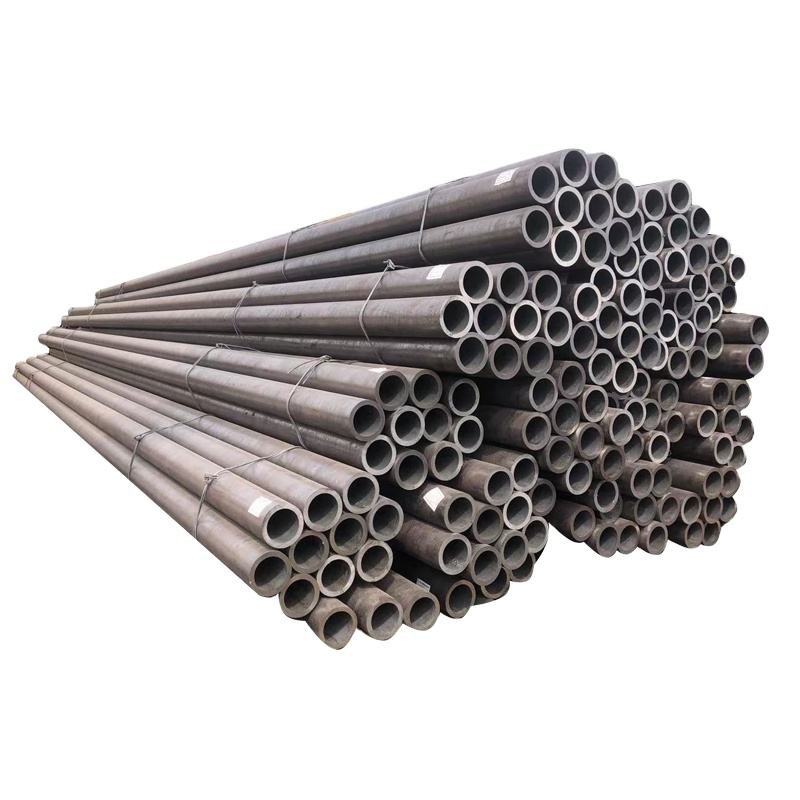
The technologies that carry the specification are metal-to-metal sealing, high-performance polyurethane seals, forged valve bodies, thick-walled seamless steel pipe tubing, and overpressure protection devices. Barrel and rod material is selected from ST52, S355, E355, C45, SAE1045, and 42CrMo4, all supplied on a customised basis according to the drawing.
Step-by-Step: How to Specify a Custom Heavy Duty Hydraulic Cylinder
Step 1 - Fix the Duty and the Pressure Class
Start with the application, not the cylinder. Record the load, the stroke, the number of cycles per hour, the operating environment, and the required pressure class. High temperature, dust, high humidity, marine atmosphere, outdoor exposure, and mine conditions combining impact with slurry all change the specification. The pressure class then falls into place: 31.5 to 63 MPa for high-pressure cylinders, above 63 MPa for ultra-high-pressure cylinders. Everything downstream, including wall thickness and material grade, follows from this single decision.
Step 2 - Set Bore and Outer Diameter
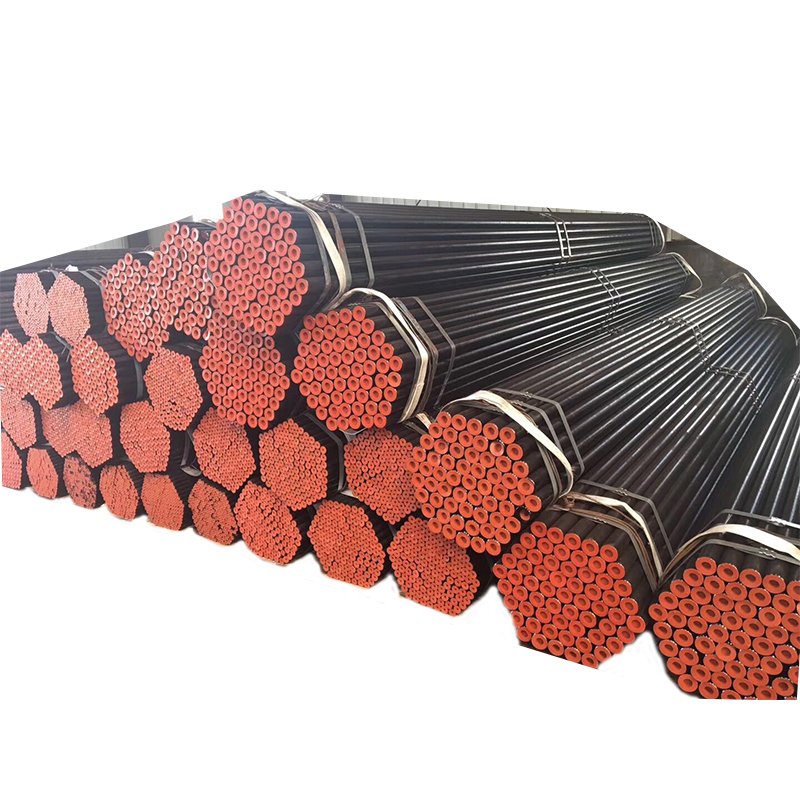
Bore and outer diameter are the two dimensions that constrain every other choice. Available outer diameter range for custom cylinders is 20 to 800 mm, with bore capability extending to 36 inches on large-format cylinders, supported by heavy-wall tube supplied in an outer diameter range of 10 to 1080 mm. Bore is specified together with an ISO hole diameter tolerance of H8 or H9, because the fit between bore and piston, and between bore and gland, is what holds sealing performance over the service life. Bore should never be specified as a nominal figure alone.
Step 3 - Set the Wall Thickness
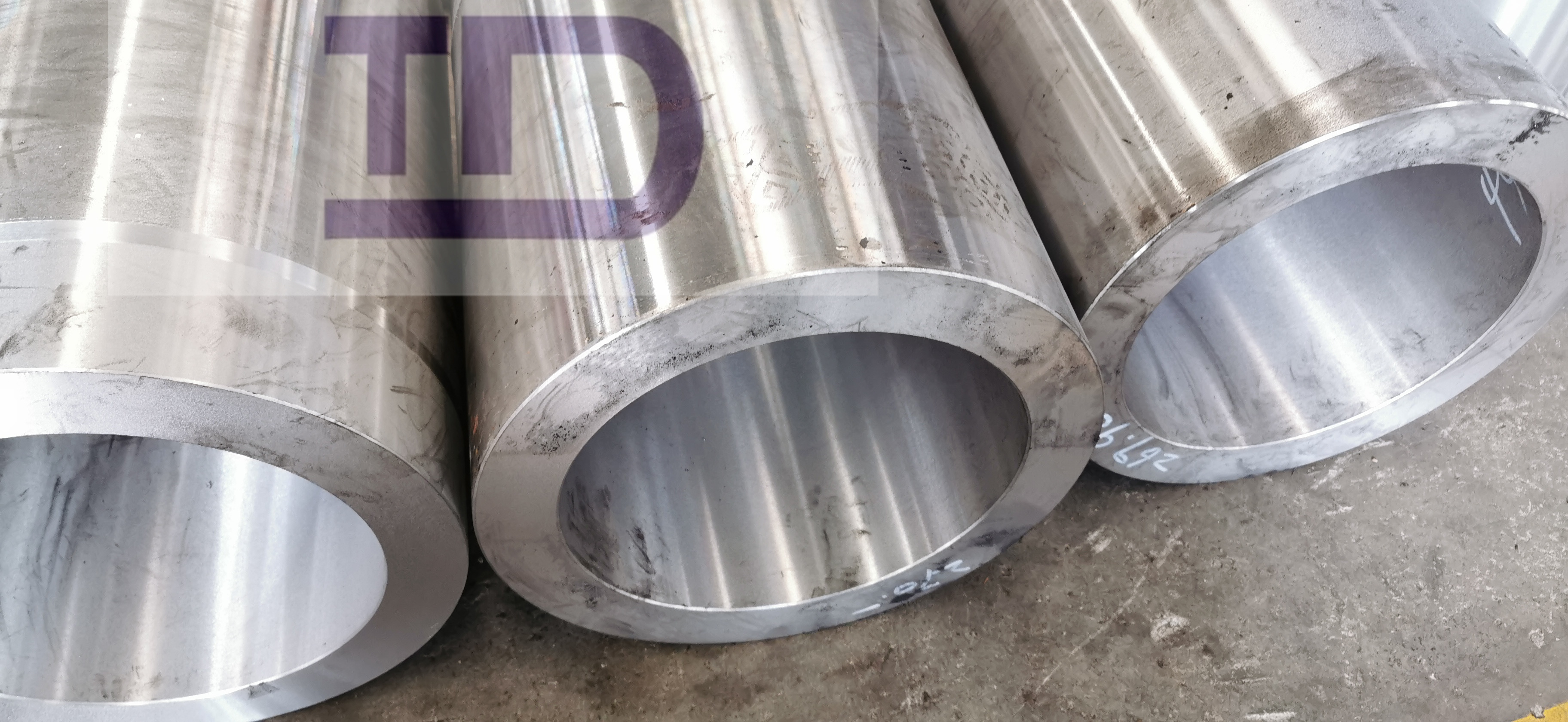
Wall thickness for custom heavy duty cylinders is normally specified between 3 mm and 50 mm, with a tolerance of plus or minus 10 percent on the wall section, listed on the data sheet as the WT tolerance. Wall thickness is not a production leftover. It sets the hoop strength of the barrel at the working pressure class, the stiffness that keeps the bore round under side load, and a significant share of the material cost of the cylinder. Buying a thinner wall to save weight is a legitimate decision, but it has to be made consciously and against the pressure class.
Step 4 - Set Length and Stroke
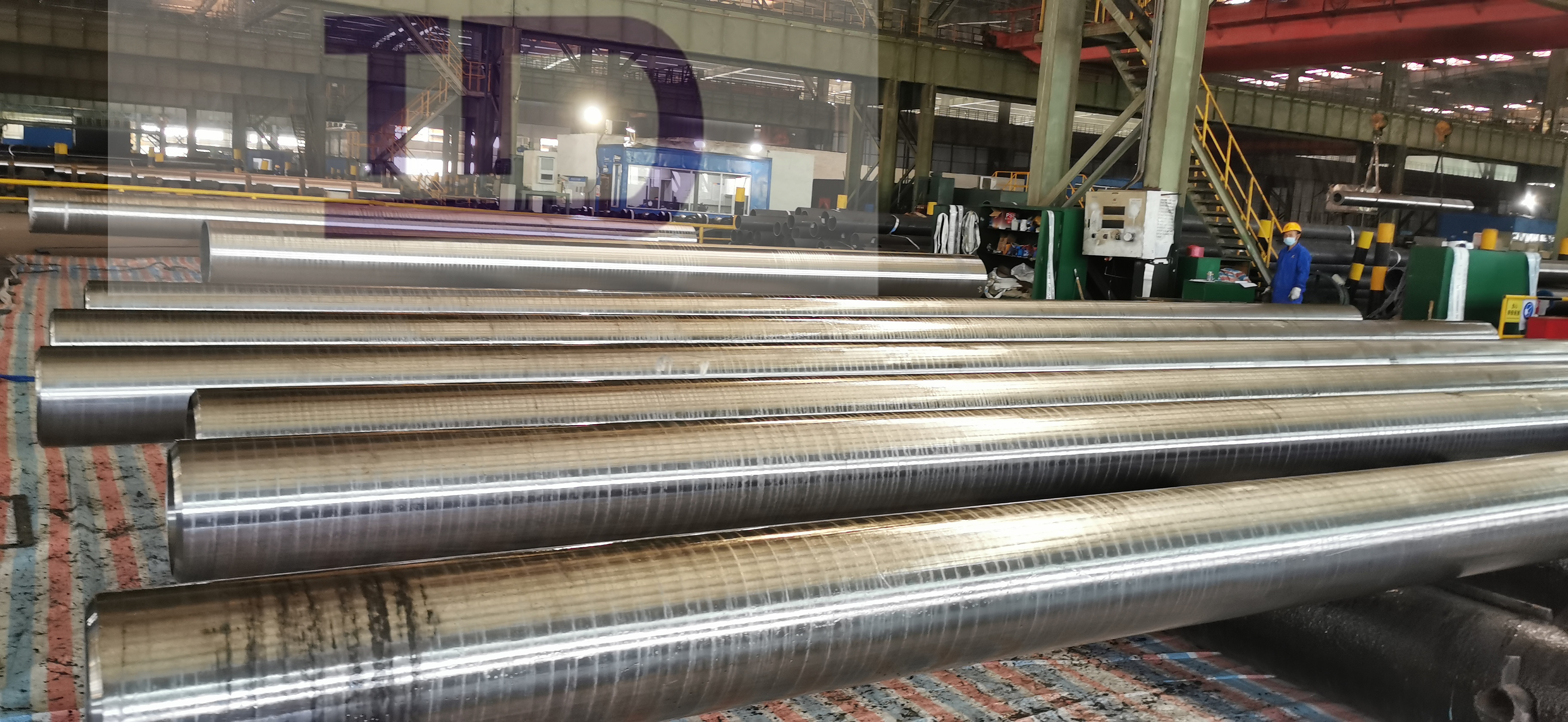
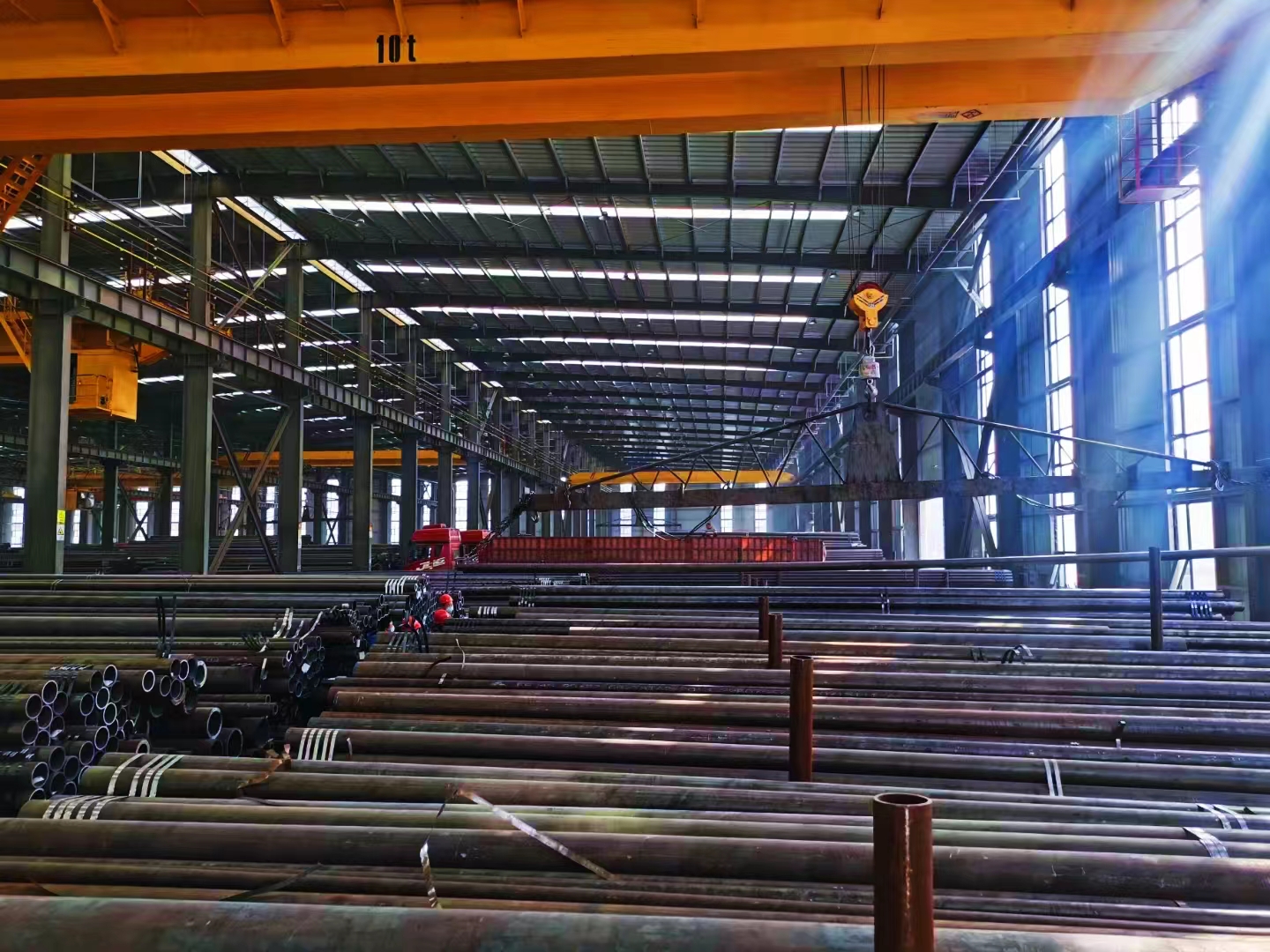
Tube and barrel lengths are quoted at 5.8 m, 6 m, 12 m, and 6 to 12 m, and the stroke is derived from the drawing within those supply lengths. For long-stroke cylinders, straightness becomes the governing specification rather than length itself. A long barrel that is straight within tolerance will hold concentricity through the stroke; one that is not will wear gland and guide bush unevenly regardless of how good the seals are.
Step 5 - Choose the Material Grade
Material choice follows pressure class, load character, and environment. The heavy duty cylinder programme works with ST52, S355, E355, C45, SAE1045, and 42CrMo4. Where the barrel is drawn from seamless tube, the wider steel programme adds A106GR.B, ST44, ST37, 10#, 20#, 30CrMo and 42CrMo, plus alloy grades such as 4140, 4130, 4145 and 4340, supplied hot rolled, cold drawn, cold rolled, or quenched and tempered. Tube for pressure service is produced with reference to specifications including EN10210, EN10305, API 5L, A335, A333 and A106. Higher-strength grades allow a given load to be carried with a more favourable wall section and a stiffer barrel, which is where the specification begins to influence energy use rather than only strength.
Step 6 - Lock Tolerance, Roughness, and Geometry
This step is where a custom cylinder becomes repeatable. Arithmetic roughness of the internal bore is specified at Ra less than or equal to 0.4 micrometres, hole diameter tolerance at ISO H8 or H9. The drawing must also carry straightness, concentricity, and batch consistency requirements. Roughness and straightness together govern seal life and drift; concentricity governs gland wear; batch consistency governs whether unit five matches unit one. These are the parameters that separate a cylinder rebuilt every season from one that runs for years.
Step 7 - Select the Cylinder Type
Type selection follows from the motion and the mounting space, not from preference. Piston cylinders are the general-purpose choice for double-acting linear motion. Plunger cylinders suit single-direction push duty where a rod-guided design is acceptable. Telescopic multi-stage cylinders suit long extension from a short retracted length, such as tipping and lifting duties. Rotary oscillating cylinders suit applications requiring limited angular movement rather than linear stroke. The type decision has to be made before mounting dimensions are finalised, because each type changes the mounting interface.
Step 8 - Optimise Sealing and Flow Design for Lifecycle Energy Use
Two cylinders can meet the same pressure class and still perform differently over ten years. High-strength materials combined with an optimised sealing and flow design reduce energy consumption and pressure loss, which lowers total cost of ownership across the cylinder lifecycle rather than only at the point of purchase. Sealing choice and port and flow-path design are therefore specification items, not afterthoughts. A Vietnamese heavy machinery OEM running a Tuoda cylinder on a straightening machine reports more than ten years of service with stable operation, energy saving, reduced maintenance cost, and zero major failures from a single-unit order.
Step 9 - Confirm the Commercial Frame
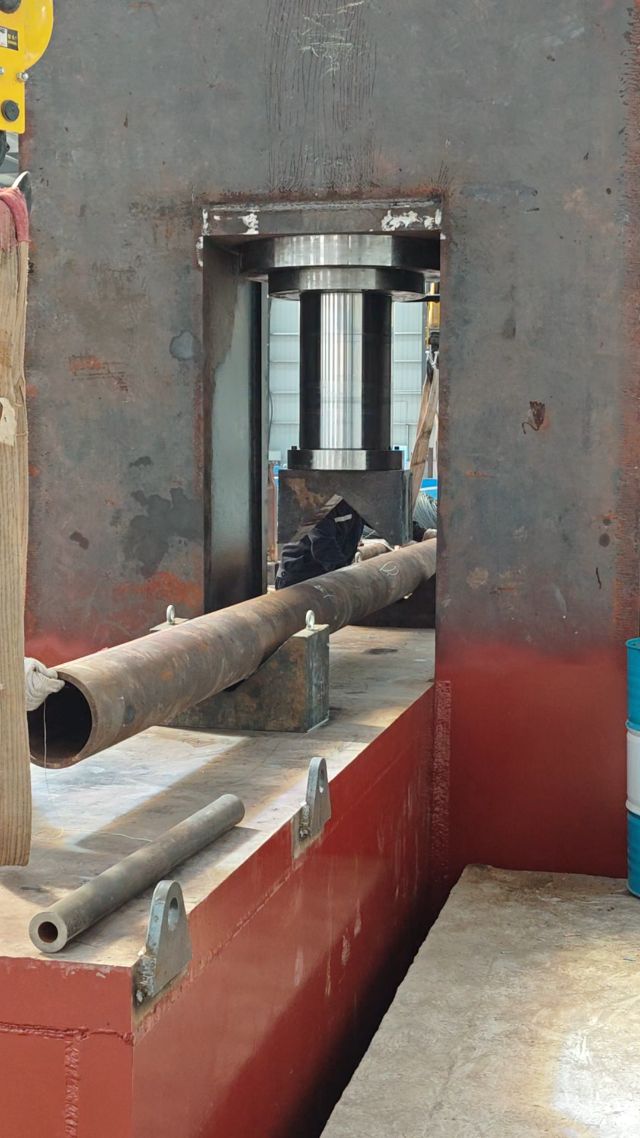
Specification and procurement meet in five numbers. Minimum order quantity for custom heavy duty cylinders is 1 unit, which makes a single-unit pilot build practical. Delivery is quoted at 30 to 45 days, with fully custom engineering runs typically 45 to 60 days. Quality control is by pressure testing, and the agreed test is normally handled as a pre-shipment acceptance inspection before release. Payment is arranged by T/T or L/C, and delivery terms can be quoted on FOB, CIF, CFR, EXW, or DDP depending on the destination and the terms confirmed with the buyer.
Buyer checklist before releasing the drawing: pressure class, bore with H8 or H9 tolerance, outer diameter, wall thickness with tolerance, length or stroke, material grade, internal bore roughness Ra, straightness and concentricity, cylinder type, sealing concept, test method, and Incoterms.
Use Cases: Where the Specification Sequence Pays Off
Construction machinery and mining equipment. Excavator boom, arm, and bucket cylinders and crusher cylinders run in impact, dust, and slurry conditions. Bore and wall thickness drive force and stiffness, while roughness and concentricity drive seal survival in abrasive environments.
Industrial presses. Four-column hydraulic presses depend on parallel, repeatable force. Bore consistency across the batch and concentricity matter more here than peak pressure, because a press that drifts will not hold a tolerance.
Marine hydraulic systems. Steering gear and anchor winch cylinders operate in high humidity and salt-laden air. Material grade and corrosion-resistant surface treatment become primary specification items rather than secondary ones.
Specialised and military equipment. Artillery recoil systems and material pressure-testing apparatus operate in the ultra-high-pressure class above 63 MPa, where wall thickness and metal-to-metal sealing carry the duty.
Straightening machines and heavy fabrication. This is the case where a single custom cylinder replaced a maintenance cycle. A Vietnamese heavy machinery OEM ordered one custom cylinder for a straightening machine, and the unit has run for more than ten years with stable operation, energy saving, reduced maintenance cost, and zero major failures.
Comparison Table: Parameters, Pressure Classes, and Cylinder Types
The tables below collect the specification values that should appear on a custom heavy duty hydraulic cylinder drawing, together with the pressure classes and cylinder types that determine how those values are applied.
| Specification parameter | Stated range or standard | Why it is specified |
|---|---|---|
| Outer diameter (OD) | 20 to 800 mm | Constrains bore, wall section, and mounting envelope |
| Bore capability | Up to 36 inches on large-format cylinders | Sets force at a given pressure class |
| Wall thickness | 3 to 50 mm, tolerance plus or minus 10 percent (WT tolerance) | Hoop strength, bore roundness under side load, material cost |
| Length / barrel supply | 5.8 m, 6 m, 12 m, 6 to 12 m | Determines stroke envelope and straightness requirement |
| Hole diameter tolerance | ISO H8 / H9 | Controls bore-to-piston and bore-to-gland fit |
| Internal bore roughness | Ra less than or equal to 0.4 micrometres | Seal life, drift behaviour, friction |
| Barrel / rod material | ST52, S355, E355, C45, SAE1045, 42CrMo4 | Strength, fatigue behaviour, environment resistance |
| Tube specification reference | EN10210, EN10305, API 5L, A335, A333, A106 | Material and pressure-service traceability |
| Industrial mounting standards | ISO 6022 (250 bar series), ISO 6020 (160 bar series) | Mounting dimensions and interchangeability |
| Pressure class | Working range | Typical equipment |
|---|---|---|
| High-pressure hydraulic cylinder | 31.5 to 63 MPa | Hydraulic excavators, crushers, four-column hydraulic presses, marine steering gear, anchor winches |
| Ultra-high-pressure hydraulic cylinder | Above 63 MPa | High-pressure water jet cutting machines, artillery recoil systems, material pressure-testing apparatus |
| Cylinder type | General industry description | Specification focus |
|---|---|---|
| Piston cylinder | General-purpose linear actuator used for double-acting duty | Bore, rod diameter, sealing system, port design |
| Plunger cylinder | Rod-guided design commonly used for single-direction push duty | Rod surface finish, guide bush, wall thickness |
| Telescopic (multi-stage) cylinder | Multi-stage design that extends further from a shorter retracted length | Stage tolerances, concentricity, sealing between stages |
| Rotary (oscillating) cylinder | Produces limited angular movement rather than linear stroke | Mounting interface, seal geometry, torque path |
FAQ: Custom Heavy Duty Hydraulic Cylinder Specification
1. Which standards and tolerances should a custom heavy duty hydraulic cylinder drawing carry?
At minimum, the drawing should reference ISO hole diameter tolerance H8 or H9 for the bore, an internal bore arithmetic roughness of Ra less than or equal to 0.4 micrometres, and the applicable mounting standard. For industrial heavy-duty cylinders the mounting dimensions and interchangeability series are ISO 6022 (250 bar series) and ISO 6020 (160 bar series). Where barrel tube is involved, material specifications can include EN10210, EN10305, API 5L, A335, A333 and A106. Straightness, concentricity, and batch consistency should also appear as measurable requirements, since they cannot be verified or corrected after shipment.
2. Can a single custom heavy duty hydraulic cylinder be built to a non-standard bore, stroke, and mounting?
Yes. Minimum order quantity for custom heavy duty cylinders is 1 unit, which allows a single-piece or small-batch build rather than a volume commitment. Customisation covers application, size, bore, stroke, pressure, load, complete system solutions, cylinders, and marking. The outer diameter range for custom cylinders is 20 to 800 mm, with bore capability up to 36 inches on large-format cylinders, wall thickness between 3 and 50 mm, and barrel supply lengths of 5.8 m, 6 m, 12 m, and 6 to 12 m. Non-standard mounting is handled at the drawing verification stage.
3. What actually drives the cost of a custom heavy duty hydraulic cylinder?
Four specification decisions drive most of the cost: pressure class, bore and outer diameter, wall thickness, and material grade. Wall thickness between 3 and 50 mm at a plus or minus 10 percent tolerance directly affects material consumption, while a move from a standard structural grade to a higher-strength grade such as 42CrMo4 changes both material cost and machining time. Test scope also has a cost: pressure testing is the stated quality control method, and pre-shipment acceptance inspection adds a defined step before release. The lowest purchase price is not the lowest lifecycle cost, because high-strength materials combined with an optimised sealing and flow design reduce energy consumption and pressure loss over the cylinder lifecycle.
4. How is a custom cylinder validated before it leaves the factory?
Quality control is by pressure testing, carried out before shipment and typically handled as a pre-shipment acceptance inspection against the agreed test. Because the minimum order quantity is 1 unit, a single cylinder can be built, tested, and reviewed as a first article before any repeat or volume order is placed. This matters most for non-standard bore, wall thickness, or material combinations, where the first unit effectively validates the drawing.
5. What lead time and delivery terms apply, and how do I start an order?
Delivery is quoted at 30 to 45 days, with fully custom engineering runs typically 45 to 60 days. Payment is arranged by T/T or L/C, and delivery can be quoted on FOB, CIF, CFR, EXW, or DDP depending on destination. The fastest way to start is to send the application details, load and stroke data, and any existing drawing or sample cylinder for verification. You can download the full product and capability brochure here, or contact Olivia at olivia@sdtuoda.com / WhatsApp +86 13290268388 to request a specification review and quotation.
Conclusion: Specification Order Determines Service Life
Custom heavy duty hydraulic cylinders are not difficult to buy once the sequence is respected: duty and pressure class first, then bore and outer diameter within the 20 to 800 mm range, then wall thickness between 3 and 50 mm with a plus or minus 10 percent tolerance, then length and stroke, then material from ST52, S355, E355, C45, SAE1045, or 42CrMo4, and finally the tolerance package of ISO H8 or H9 bore fit and Ra less than or equal to 0.4 micrometres. Sealing and flow design, test acceptance, and commercial terms complete the picture.
What distinguishes a ten-year cylinder from a one-season cylinder is rarely the machine shop. It is the drawing that arrived at the machine shop. Buyers who specify bore, wall, material, and tolerance as a connected system, rather than as four separate line items, get a cylinder that holds force, holds pressure, and holds its place in the maintenance budget.
Ready to specify your custom heavy duty hydraulic cylinder? Send the pressure class, bore, outer diameter, wall thickness requirement, stroke, material preference, and mounting drawing. Shandong Tuoda Machinery Equipment Co., Ltd builds custom cylinders from 1 unit, with pressure-tested pre-shipment acceptance inspection and delivery quoted at 30 to 45 days.
Download the brochure: Tuoda Machinery Equipment product and capability PDF
Website: www.sdtdsteel.com
Email: olivia@sdtuoda.com | Tel / WhatsApp: +86 13290268388
Have Questions or Need More Details?
Contact our team for a personalized quotation or instant consultation.
Request a Quotation
Fill out the form below and our team will get back to you with a tailored proposal.
WhatsApp Direct Chat
Prefer to chat in real-time? Message us on WhatsApp for instant assistance & quick answers.
- Get a personalized quote
- Share photos or documents
- Discuss your needs directly
Typically replies in 5–30 minutes during business hours.