A Procurement Guide for Heavy Duty Hydraulic Cylinders: Meeting Extreme Industry Demands (2026)
1. Industry-Specific Requirements for Heavy Duty Hydraulic Cylinders
Heavy duty hydraulic cylinders are critical components in sectors such as construction machinery, mining equipment, hydraulic presses, marine systems, and heavy material handling. These applications impose unique demands that standard cylinders cannot fulfill. Key requirements include:
- High Pressure & Ultra-High Pressure Tolerance: Many heavy machinery systems operate at 31.5–63 MPa for high-pressure cylinders, while specialized equipment (e.g., high-pressure water jet cutters, material test benches) require ultra-high pressure exceeding 63 MPa.
- Extreme Environmental Resistance: Equipment often works in high-temperature (desert or steel mill environments), dusty, humid, or marine conditions. Corrosion resistance, wear-resistant seals, and robust materials (e.g., 42CrMo4 alloy steel, ST52) are essential.
- Large Bore & Long Stroke Capability: Hydraulic presses and mining machines frequently need bores ≥ 36 inches and strokes ≥ 40 feet, demanding precision honing (roughness Ra ≤ 0.4 μm) and structural stability.
- Custom Mounting & Non-Standard Configurations: Each application may require unique port locations, flange patterns, or integrated sensors. A supplier must offer custom size, custom mounting, and even conversion from single-acting to double-acting cylinders.
These requirements are derived from real-world operating conditions such as impact loads, slurry in mining, and high-cycle fatigue in presses. Failure to address them leads to oil leakage, insufficient output power, and premature failures.
2. Supplier Selection Criteria: Three Essential Capabilities
Selecting a reliable heavy duty hydraulic cylinder supplier requires evaluating three core capabilities:
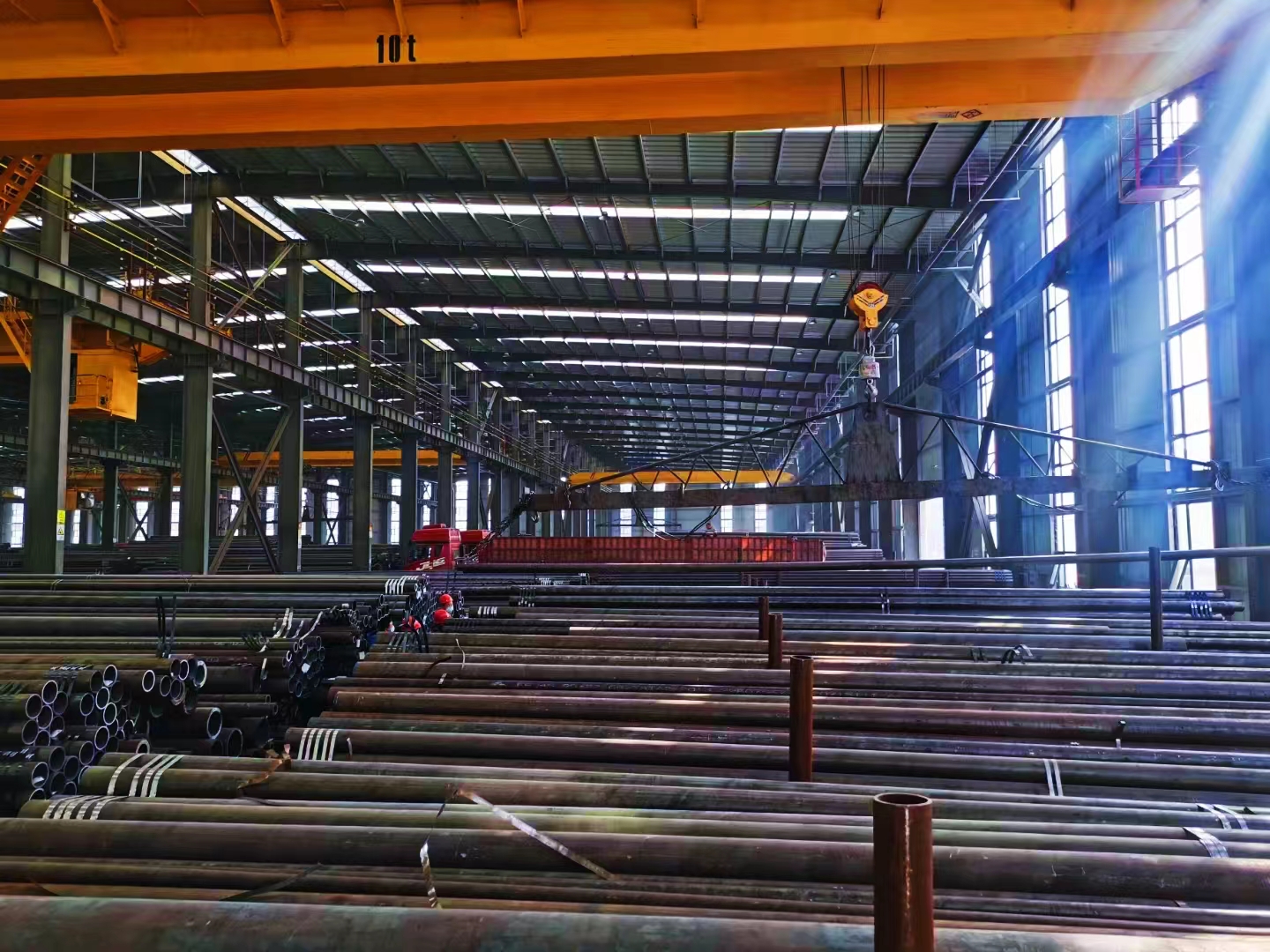
- Industry Customization Experience: The supplier should have a track record of designing cylinders for specific machinery types—excavators, hydraulic presses, forklifts, marine winches, etc. For instance, a provider that can offer application analysis, drawing verification, material selection, and full in-house manufacturing (including deep hole drilling and boring) demonstrates maturity. Shandong Tuoda Machinery Equipment Co., Ltd., located in Liaocheng, China, covers 10,000 m² with over 80 professionals, offering end-to-end customization from size to system solutions. Their team includes senior mechanical engineers capable of tailoring cylinders for both high-pressure and ultra-high pressure applications.
- Compliance & Certifications: While formal certificates may vary by market, adherence to international standards such as ISO tolerances (H8/H9), ASTM material specs (e.g., A106, A333), and CE marking for steel pipes is a baseline. A supplier that conducts pressure testing and pre-shipment inspections provides verifiable quality assurance.
- Rugged Design for Harsh Environments: The best suppliers integrate metal-to-metal sealing, high-performance polyurethane seals, forged valve bodies, and overpressure protection devices. These features directly address common failure modes like leakage under cyclic loading or corrosion in marine environments. For example, Tuoda Machinery employs ST52, S355, E355, C45, and 42CrMo4 materials, with bore diameters ranging from 20 mm to 800 mm and wall thickness up to 50 mm, ensuring durability.
3. Success Story: Vietnamese Heavy Machinery OEM Achieves 10+ Years of Stable Operation
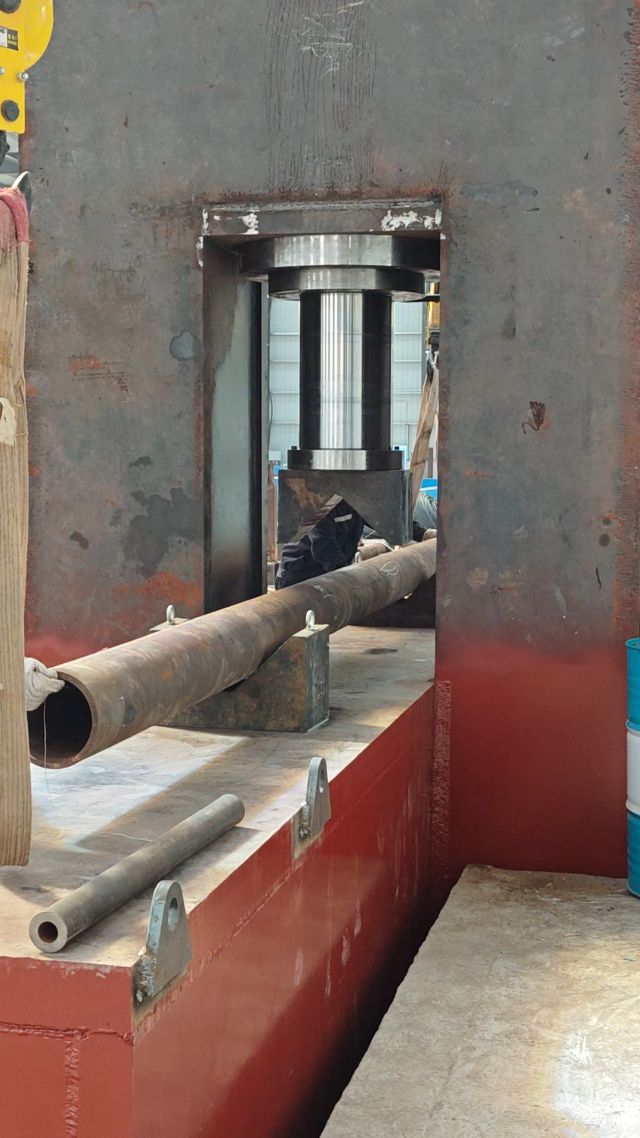
A Vietnamese OEM specializing in straightening machines required a custom heavy duty hydraulic cylinder for their new press line. The client needed a cylinder capable of withstanding extreme bending loads while maintaining precise positioning over a decade of daily operation.
Tuoda Machinery supplied a single ultra-high pressure cylinder (rated >63 MPa) with a large bore and long stroke, built from 42CrMo4 alloy steel. The cylinder featured a double-acting design, wear-resistant seals, and a honed internal bore to reduce friction. After installation, the machine achieved zero major failures, reduced maintenance costs by approximately 30%, and improved energy efficiency due to optimized flow design. The client has continued to rely on this cylinder for over ten years, confirming the long-term cost advantage of a higher initial investment versus frequent replacements of standard cylinders.
4. Collaboration Recommendations for Procurement Teams
To ensure the selected cylinder meets both technical and operational goals, buyers should follow these key steps:
- Define Clear Industry Standards Upfront: Specify applicable pressure ratings (e.g., 31.5–63 MPa or >63 MPa), temperature ranges, corrosion resistance levels, and any special certifications required.
- Conduct On-Site or Virtual Factory Inspection: Evaluate the supplier's manufacturing capabilities—honing machines, heat treatment facilities, and quality control processes. Request detailed drawings and material certificates before production.
- Agree on After-Sales Support: Confirm lead times (typically 30–45 days for standard custom orders), spare parts availability, and repair policies. A supplier that offers a pre-shipment pressure test and includes a technical manual reduces post-installation risks.
- Consider Total Cost of Ownership: While custom heavy duty cylinders may have higher upfront costs, their longer lifespan and lower maintenance often deliver better lifecycle economics. Ask for references from similar applications.
By applying these criteria, procurement managers can select a partner capable of delivering reliable, high-performance hydraulic cylinders even for the most demanding industrial environments.
For more detailed product specifications and customization options, download the company brochure:
Download Brochure (PDF)Have Questions or Need More Details?
Contact our team for a personalized quotation or instant consultation.
Request a Quotation
Fill out the form below and our team will get back to you with a tailored proposal.
WhatsApp Direct Chat
Prefer to chat in real-time? Message us on WhatsApp for instant assistance & quick answers.
- Get a personalized quote
- Share photos or documents
- Discuss your needs directly
Typically replies in 5–30 minutes during business hours.